Why Does My Space Heater Keep Tripping the Breaker?
January 1, 2025
Hardwired Smoke Detector Chirping? What to Do
March 1, 2025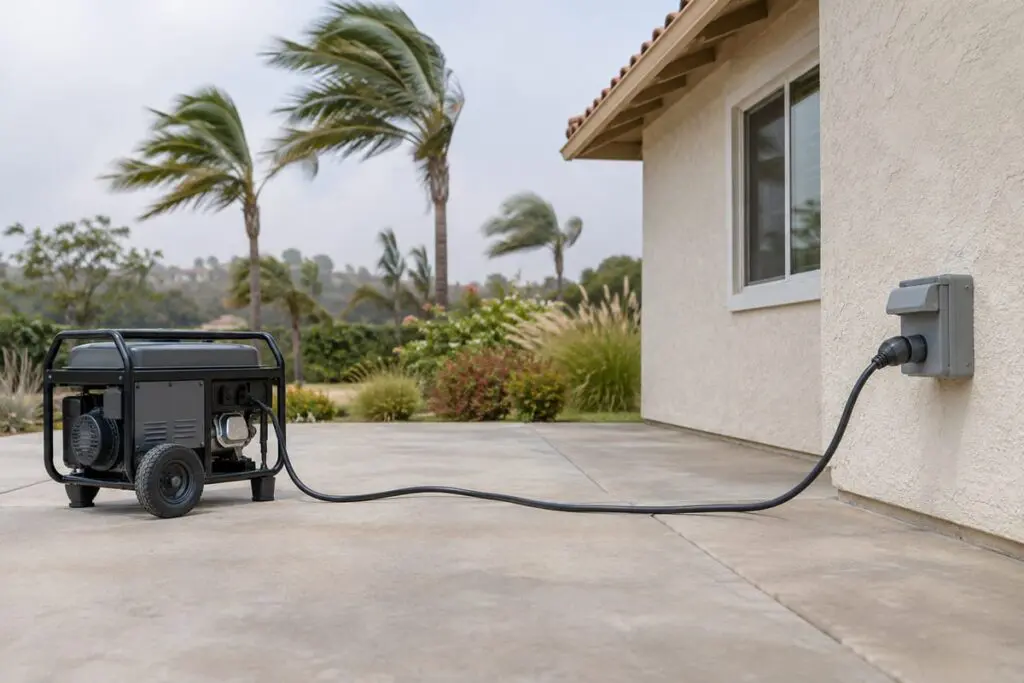
How do you prepare your home for a Public Safety Power Shutoff?
Sign up for your utility’s outage alerts, charge your phones and power banks, learn your garage door’s manual release, and keep your fridge closed. Unplug sensitive electronics before the power drops. If you want lights and a cold fridge through a multi-day shutoff, plan backup power now, because a safe install takes time.
What a power shutoff is, and why it can last days
A Public Safety Power Shutoff (PSPS) is your utility turning off power lines on purpose during dangerous fire weather, meaning strong, dry winds, so its equipment can’t start a wildfire. Southern California Edison uses them. January brought severe Santa Ana winds and widespread shutoffs across Southern California, including the Inland Empire, and wind season isn’t over yet.
A shutoff can last a few hours or several days. After the wind dies down, crews have to inspect the lines before turning power back on. The upside: unlike a random outage, you usually get a day or two of warning. Sometimes less.
Free steps to take before the next wind warning
Say you sat through January’s shutoff with a warming fridge, a dying phone and a car stuck behind a garage door that wouldn’t open. Most of that is fixable this weekend, for nothing.
- Update your contact info with your utility and sign up for its outage alerts, so a warning actually reaches your phone and email.
- Enroll in the Medical Baseline program if anyone in your home relies on powered medical equipment, and make a backup plan for that equipment.
- Find the red cord on your garage door opener. That’s the manual release. Practice it once while the power’s on.
- Charge phones and power banks as soon as a warning comes in.
- Keep flashlights handy and skip the candles.
- Keep the fridge and freezer closed. Per the U.S. Department of Agriculture, a refrigerator keeps food safe for about 4 hours, and a full freezer for about 48 hours (24 if it’s half full).
Protect your electrical system during the outage
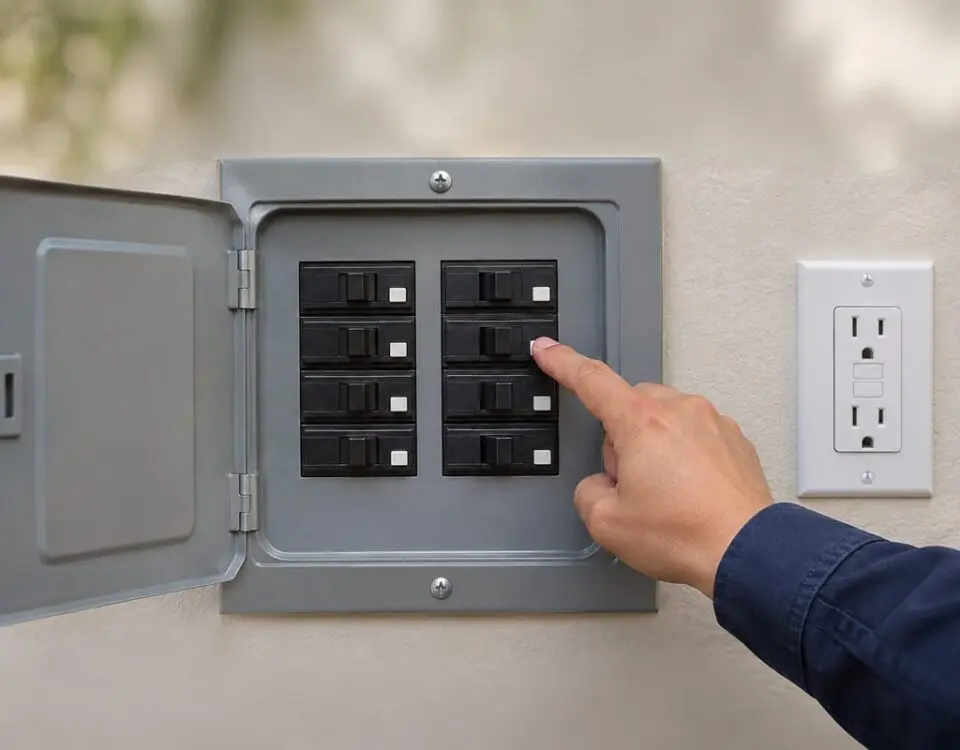
Power can surge when it comes back on. So before the shutoff, unplug sensitive electronics like computers and TVs, or make sure they’re protected. Turn off or unplug big appliances too. Leave one light switched on so you know when power returns, then bring things back on a few at a time instead of all at once.
Once power’s back, reset any tripped GFCI outlets and check your timers and irrigation controller. A breaker that won’t reset, or anything that smells hot, needs an electrician. If you smell smoke or burning, get out and call the fire department first.
Backup power options, honestly compared
You have three real choices.
- A portable generator connected through a transfer switch, or through an interlock kit with an inlet.
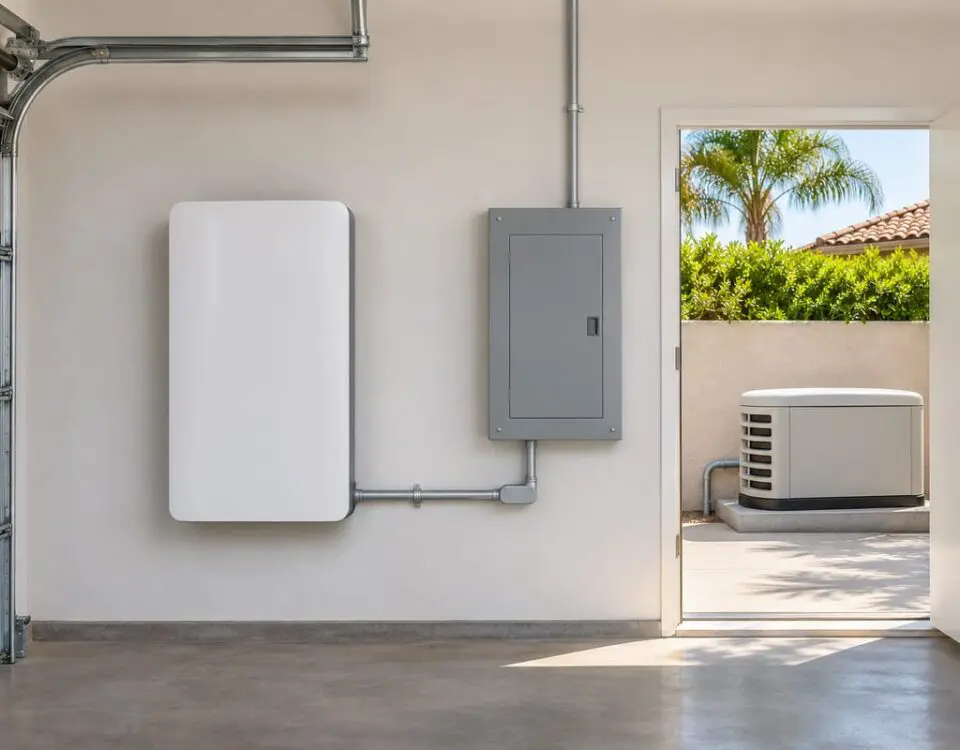
- A standby generator that starts automatically when the power drops.
- A battery system that takes over quietly.
Two rules aren’t up for debate. Never plug a generator into a wall or dryer outlet: that’s called backfeeding, and it can kill a utility worker and destroy your equipment. And run a portable generator outdoors only, at least 20 feet from the house per the Consumer Product Safety Commission, never in the garage. Keep carbon monoxide alarms with battery backup in the house.
Not sure how big to go? Our guide on what size generator you need for your house walks through the math.
Why to plan generator work now
Generator and transfer-switch installs need permits and scheduling. They can’t happen the afternoon a wind warning goes out. Infiniti Electric is licensed, insured and bonded, and we do permitted backup generator installs. If you’d like to get set up before the next shutoff, reach out to us.
Power shutoff questions homeowners ask
How long does a shutoff usually last?
Anywhere from a few hours to several days. Power stays off until the dangerous winds pass and crews finish inspecting the lines.
Will my solar panels work during a shutoff?
Not on their own. A standard grid-tied system shuts down when the grid goes down, so it can’t power your house unless it has a battery set up for backup.
Can I run a generator in the garage with the door open?
No. Carbon monoxide builds up in a garage even with the door open, so keep the generator outdoors at least 20 feet from the house.
Do I need a transfer switch for a portable generator?
Yes, or an interlock kit with an inlet, if you want it to power circuits in your house. Either one keeps power from backfeeding onto the utility lines.