Can You Replace Two-Prong Outlets With Three-Prong?
March 1, 2026
Do Smart Switches Need a Neutral Wire?
May 1, 2026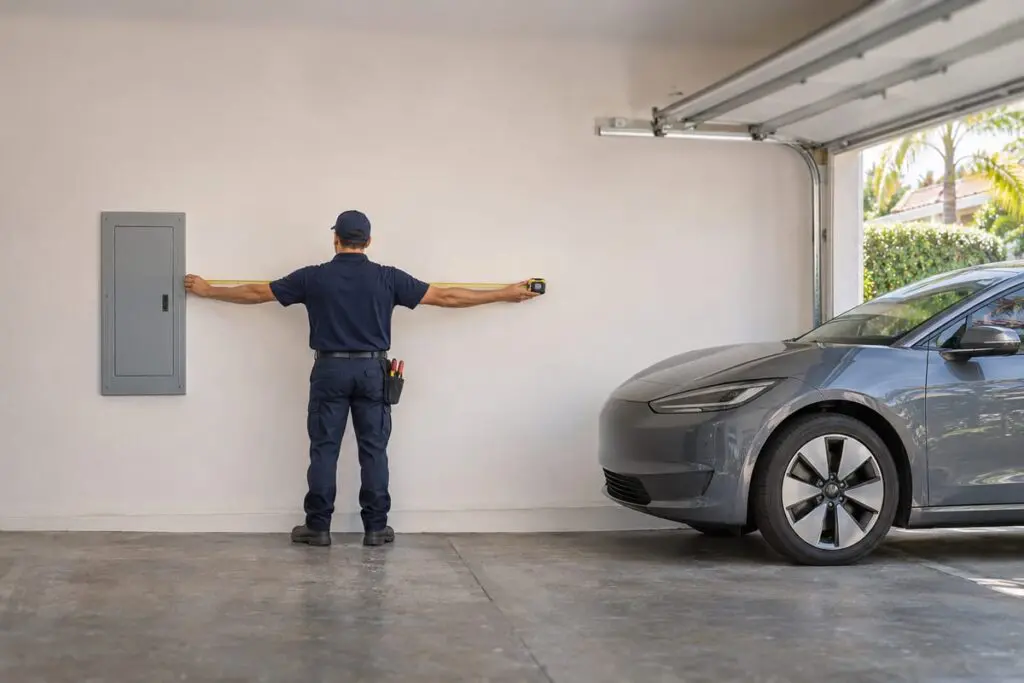
What affects the cost of installing a home EV charger?
Your EV charger installation cost depends mostly on two things: how far the charger sits from your electrical panel, and whether your panel can carry another large circuit. After those come the wire route, the charger’s amperage, the permit and the charger itself. That’s why two quotes for the “same” job can be so far apart.
You won’t find a dollar figure in this post, and that’s deliberate. The same charger can cost very different amounts in two garages on one street, so any number we printed would be wrong for most of you. Here’s what moves the price instead.
| Cost driver | What pushes it up | What you can do |
|---|---|---|
| Distance to the panel | More wire and labor | Park near the panel |
| Panel capacity | No room to spare | Ask about load management |
| Charger amperage | Bigger circuit, heavier copper | Choose the rate you need |
| Wire route | Finished walls, trenching | Combine with other projects |
Distance and panel capacity do most of the work
How far the wire has to travel
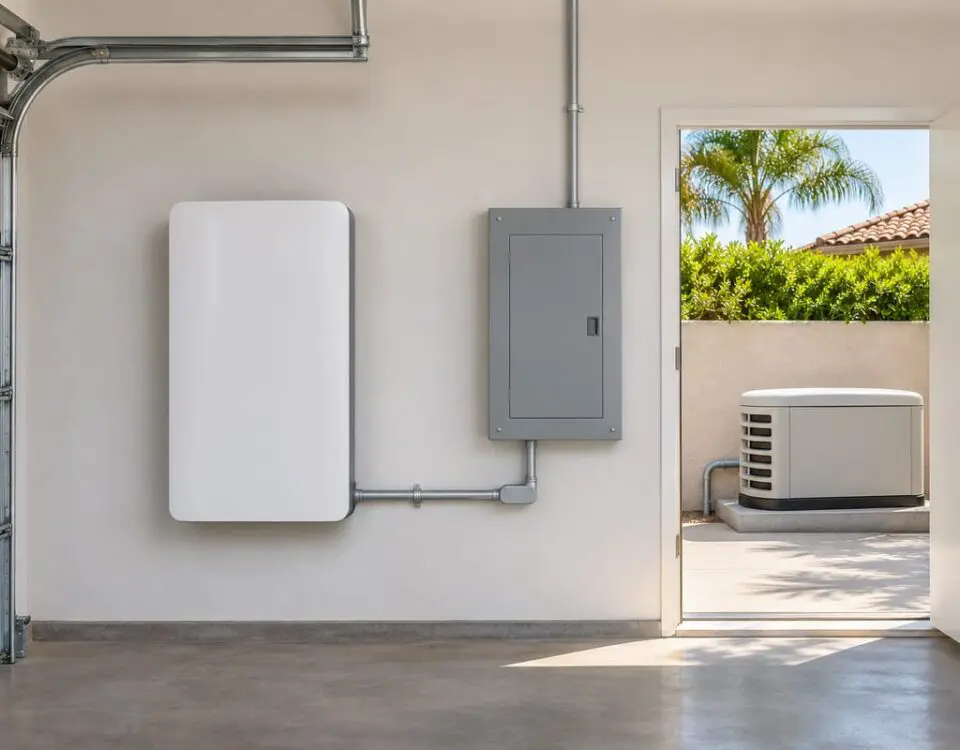
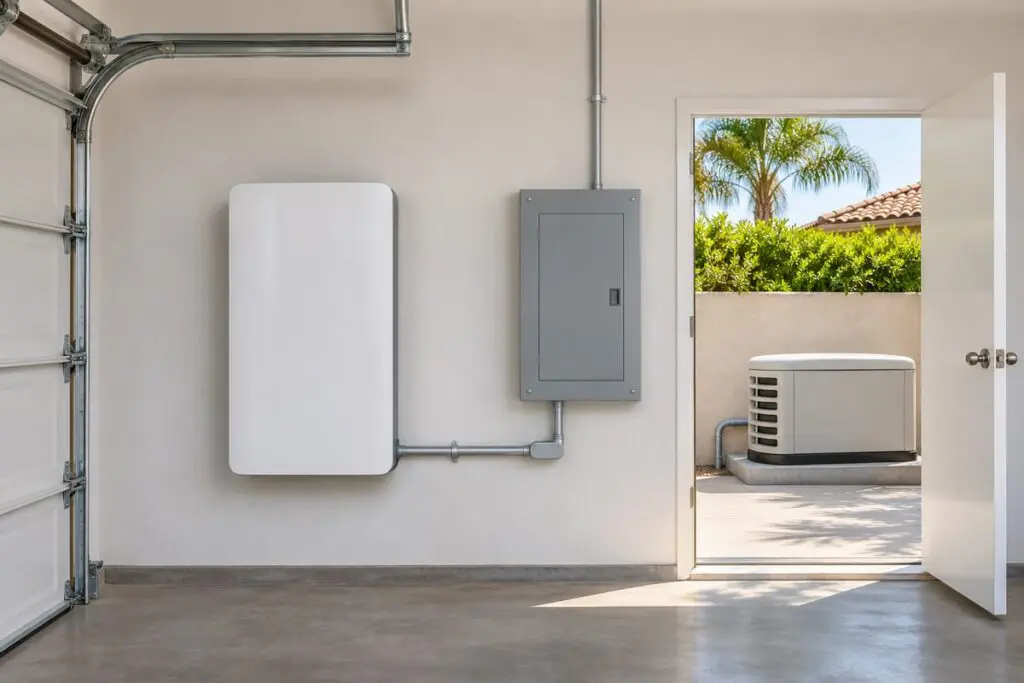
Distance from your panel to the charger is the biggest single driver. Every extra foot means more wire, conduit and labor. Picture two houses. In one, the panel hangs on the garage wall a few feet from where the car parks. In the other, the panel is on the far side of the house. Same charger, very different job.
Whether your panel can carry it
An electrician should run a load calculation first. It adds up what your home already draws and shows whether your service can take a charger on top. If it can’t, your options, from least to most expensive:
- Set the charger to a lower amperage.
- Add a load-management device, which holds the charger back while the rest of the house is busy.
- Upgrade your electrical service.
Sometimes a service upgrade is the right answer. Ask about the first two before you agree to one.
The smaller items that add up
Circuit size. A 48-amp charger needs a 60-amp circuit and heavier copper than a 32-amp charger on a 40-amp circuit. The 32-amp setup still adds about 25 miles of range per hour. Not sure how much you need? Our Level 1 vs. Level 2 comparison helps.
The route. Open garage studs are easy. Finished drywall, an attic run, exterior conduit or a trench to a detached garage all add labor.
Hardwired or plug-in. A plug-in charger needs a heavy-duty outlet and a GFCI breaker, so it isn’t automatically cheaper.
The rest. Permit and inspection fees, the charger itself, weatherproofing for an outdoor mount, and extras like Wi-Fi or sharing one circuit between two chargers.
Why two quotes can be so far apart
Usually because the two electricians priced different jobs. One figured a 60-amp circuit, the other a 40. One patches the drywall; the other leaves the hole for you. A good quote spells out:
- the permit
- the load calculation
- breaker and wire sizes
- the conduit route
- whether wall patching is included
- the amperage the charger will be set to
Line two quotes up against that list and the gap usually explains itself.
Rebates and the June 30 tax credit deadline
Riverside Public Utilities has offered a rebate for Level 2 chargers through its Electrify Riverside program. Confirm the current terms with the utility first.
The federal tax credit for home chargers is on a clock. It isn’t available for chargers placed in service after June 30, 2026, and “placed in service” means installed and ready to use, not just bought. It also applies only in eligible census tracts. With three months to go, a simple install has room to spare; one that needs a service upgrade is tighter. Our post on the federal electrical tax credits that are ending has the background. This isn’t tax advice, so check with your tax preparer.
Getting a quote you can compare
Infiniti Electric is licensed and insured, and we handle home EV charger installs across Riverside and the Inland Empire. Tell us where your panel is and where you park, and ask for a written quote that covers every line above.
Quick answers on EV charger installs
How long does EV charger installation take?
A simple install takes a few hours on site. The permit and inspection add days to the calendar, and a service upgrade adds weeks because the utility is involved.
Can I install an EV charger myself?
No, a 240-volt charger circuit means work inside your panel, plus a permit and inspection. That’s a job for a licensed electrician.
Do I always need a panel upgrade for an EV charger?
No. A load calculation decides it, and a lower charger setting or a load-management device often avoids an upgrade entirely.